
HOURS
Mon-Sun: 7AM - 8PM
CALL NOW
(850)-830-3939
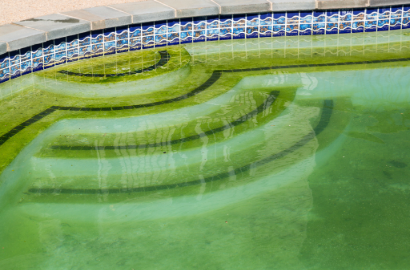
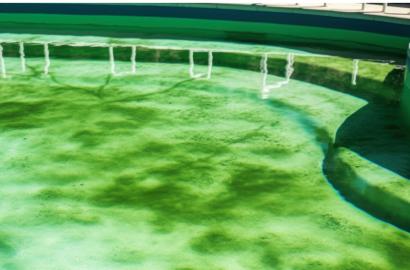
Why do Pools Turn Green in Navarre and Gulf Breeze?

The Green Monster (Algae)
Algae growth in pools is caused by the presence of cyanobacteria algae, which is naturally found in soil and plant debris. Additionally, algae spores can enter the pool through various means such as wind or contaminated swimwear from ocean water. Essentially, algae are always present in the pool but become visible when certain conditions are met:
- - Inadequate water circulation leading to low flow areas or stagnant spots.
- - Imbalanced water chemistry, including pH, alkalinity, calcium, and cyanuric acid levels.
- - Insufficient sanitation, resulting in low or inconsistent chlorine levels.
- - Poor water filtration due to short filter run times or ineffective filtration systems.
A combination of these factors can create conditions favorable for algae growth, sometimes within just a few hours, especially on warm summer days. Regular use of high-quality pool algaecides can serve as a preventive measure against these issues, providing assurance against drops in circulation, filtration, or sanitation levels.
Aqua Guardians is safe, trustworthy, professional, reliable, and easy choice for all your pool cleaning, chemical, pool liner replacement, pool safety fences and pool equipment installation.
Your neighborhood pool cleaning superheroes
How to Defeat Algae - The Green Monster
Pool algae treatments require that your circulation, water balance, sanitation, and filtration all be working at their best, or with most potency. A clean pool is also important, vacuum and skim the pool to remove large debris before treating for algae.
Small, isolated blooms can be treated locally with granular chlorine or a good quality pool algaecide, followed by a stiff brushing. Algae growing over larger sections of the pool, or suspended in the water will require a strong dose of chlorine pool shock, or granular chlorine, to kill the algae.
Steps to Kill Algae:
- Balance pool: pH 7.2, Alkalinity 80-100, and Cyanuric Acid 30-50
- Shock pool: Raise chlorine levels to 30 ppm with 4 lbs pool shock per 10,000 gallons
- Brush pool thoroughly: To disrupt the algae and disperse the shock
- Run filter: 18-24 hours per day, cleaning as needed to maintain flow
- Add clarifier if needed: To restore water clarity and help the filter
- Add algaecide: Only after chlorine level drops below 5 ppm
Different Types of Pool Filters And How to Clean Them
How to Prevent Algae From Growing in Your Pool
Controlling and preventing algae in pools requires that your circulation, water balance, sanitation, and filtration are all in full operation. If any of these factors are underperforming or inconsistent, it creates a favorable environment for algae to bloom.
The most effective way to prevent algae in pools is by maintaining consistent chlorine levels of 2-4 ppm, along with long, effective daily filter runs, proper water balance, and weekly use of a reliable pool algaecide. In summary, controlling and preventing algae in pools entails creating an inhospitable environment for algae:
- Good water balance: pH 7.2, Alkalinity 100 ppm, Calcium 200 ppm, Cyanuric Acid 30-50 ppm
- Good water filtration: Aim for two turnovers per day with 16-18 hours of total run time
- Good water circulation: Utilize brushing, eyeball fittings, and pool cleaners to enhance circulation
- Good water sanitation: Maintain consistent daily chlorine levels of 2-4 ppm
- Supplemental Sanitizers: Consider using minerals, ozone, or UV treatment to enhance sanitation
- Good quality pool algaecide: Administer weekly maintenance doses to further prevent algae growth
Algae Causes Health Risks
Is algae in the pool harmful, or can you swim in a pool with algae? You can, but you may not want to, especially for young children or others with underdeveloped or compromised immune systems.
While small patches of algae here or there may not pose a health concern, a full-blown algae bloom with low water clarity and chlorine levels may not be conducive to safe swimming.
If the chlorine is unable to effectively kill the harmless cyanobacteria algae, it's likely that harmful pathogenic bacteria present in the water are also not being eradicated by the chlorine.
What Causes Algae to Bloom and Spread?
Algae spores are continually introduced into the pool environment, carried by wind, rain, or even via contaminated swimsuits or pool cleaning tools. Under suitable conditions, such as imbalanced water chemistry, warm temperatures, sunlight exposure, and the presence of nitrates, phosphates, and/or carbon dioxide, an algae bloom can develop rapidly, sometimes within hours. Poor circulation, filtration, and sanitation are often contributing factors or the primary causes of pool algae.
Algae, being living aquatic organisms, proliferate swiftly on warm, sunny days. Possessing chlorophyll, algae utilize photosynthesis for growth, absorbing carbon dioxide and releasing oxygen as a byproduct. Although algae can thrive in both shaded and sunlit areas, most strains require some degree of light to grow.
Algae require sustenance to survive, and swimming pools offer abundant sources of nutrients. Almost every form of contamination or airborne particle can serve as food for pool algae. Pools with high bather counts or substantial levels of debris and dissolved solids provide an ample feast for algae. Even the cellular remnants of previous algae blooms can fuel future generations of pool algae.
Algae remain present in swimming pools at microscopic levels, even in seemingly clean and clear pools. They lie in wait for opportune conditions to trigger a bloom, such as when chlorine levels decrease, pH rises, or when the pump or filter operates inefficiently.
What Problems Can Algae Cause?
The presence of pool algae presents several noticeable issues. Firstly, it discourages swimming, as people tend to avoid swimming in water contaminated with algae. Secondly, eliminating algae from the water entirely requires considerable effort and expense. Thirdly, once a significant algae bloom occurs, it becomes easier for future blooms to happen. Therefore, it's advisable to employ preventative measures using pool algae chemicals and techniques to continually control algae and prevent blooming.
Algae can cause water cloudiness and discoloration, which not only makes rescue attempts difficult but also impairs the depth perception of divers. While algae itself may not directly harm swimmers, algae-infested pools can become breeding grounds for pathogens such as E. coli bacteria.
In addition to obstructing sanitation pathways in the water, algae also clog up pores in pool filters, reducing their effectiveness and necessitating more frequent backwashing or filter media replacement.
Algae can lurk in the deep crevices of filters, rough areas on pool plaster and tiles, behind pool lights, and under ladder treads. Some strains of algae even penetrate the plaster, gradually causing degradation and staining of pool surfaces. Algae growth can extend under vinyl pool liners, affecting the walls or floor beneath.
Furthermore, algae consume chlorine in the water for their growth, leading to a higher demand for chlorine that should be targeting other contaminants. Additionally, as algae expel carbon dioxide, the pH level of pool water may rise.
In essence, algae act akin to weeds in a garden, being unsightly and unwanted, demanding additional work for pool maintenance and depriving desirable flora of nutrients and resources.
What Types of Algae Exist?
There are over 21,000 known varieties of algae! In the pool business, we simplify by classifying algae based on the color they exhibit.
Green Algae:
The most common variety, green algae, typically appears after a hazy condition in the water due to insufficient filtration and/or sanitation. It's often found floating in the water or clinging to walls, reducing water clarity. Green algae may also manifest as spots on surfaces, particularly in rough areas or places with low circulation. In severe cases, it forms "sheets," covering large sections or the entire pool with green slime.
Yellow Algae:
Also known as mustard algae, this variety clings to pool walls, usually on the shady side. It forms sheets and can be challenging to eliminate completely. Re-infection is common as small pockets may survive treatment on pool accessories or within the filter. Yellow algae is resistant to normal chlorine levels and requires aggressive treatment.
Black Algae:
Considered one of the most troublesome strains, black algae is difficult to eradicate due to its strong roots and protective layers. It appears as dark spots, often with roots extending into pool plaster or tile grout. Without destroying the roots, new growth may occur. Black algae can thrive even with normal sanitizing levels and proper filtration.
Pink Algae:
Technically a form of bacteria rather than algae, pink algae appears as spots or streaks in corners and crevices. It's slow to spread and rare for it to cover an entire pool. Also known as pink slime or pink mold, it prefers smooth surfaces with low flow or circulation. Treatment requires high chlorine levels, and removing pool accessories for cleaning is recommended to prevent reinfection.
How to Prevent Algae Bloom and a Green Pool
Chemical Balance and Sanitizer Levels
Proper chemical balance and sanitizer levels are crucial in preventing algae growth. High pH and low chlorine levels create favorable conditions for algae to thrive. The use of cyanuric acid to protect chlorine from sunlight can inadvertently promote algae growth if chlorine levels aren't maintained.
General Cleanliness
Keeping the pool clean is essential in preventing algae growth. Organic materials and bacteria contribute to algae development. Regular brushing of seemingly clean pools prevents dirt from accumulating in the plaster pores, which can serve as a breeding ground for algae.
Specialty Chemicals and Algaecides
Using specialty chemicals and algaecides is recommended to complement standard sanitation and filtration processes:
Potassium Tetraborate
This chemical prevents algae from utilizing carbon dioxide for growth.
Chitin
While not an algaecide, chitin prevents algae growth by coagulating and removing suspended materials from the water, allowing sanitizers to work more effectively.
Phosphate Remover
Phosphate removers eliminate phosphates and nitrates, which serve as food for algae.
Filter Cleaners
These cleaners maintain pool filters' effectiveness by removing oils, minerals, metals, and dead algae.
Algaecides and Algaestats
Various types of algaecides and algaestats are available:
- Quaternary Ammonium Compounds: Effective as algaestats, preventing algae growth.
- Polymers: Act as both algaestats and algaecides, available in varying strengths.
- Copper Based: Effective against various algae types, but may stain pool surfaces.
- Silver Based: Works as a bacteriostat and is effective against pink algae.
- Gold Based: (Just kidding!)
- Chlorine Enhancers: Boost pool shock effectiveness, suitable for pools with high cyanuric acid levels.
Algae! Is it Too Late?
1. Balance Your Water
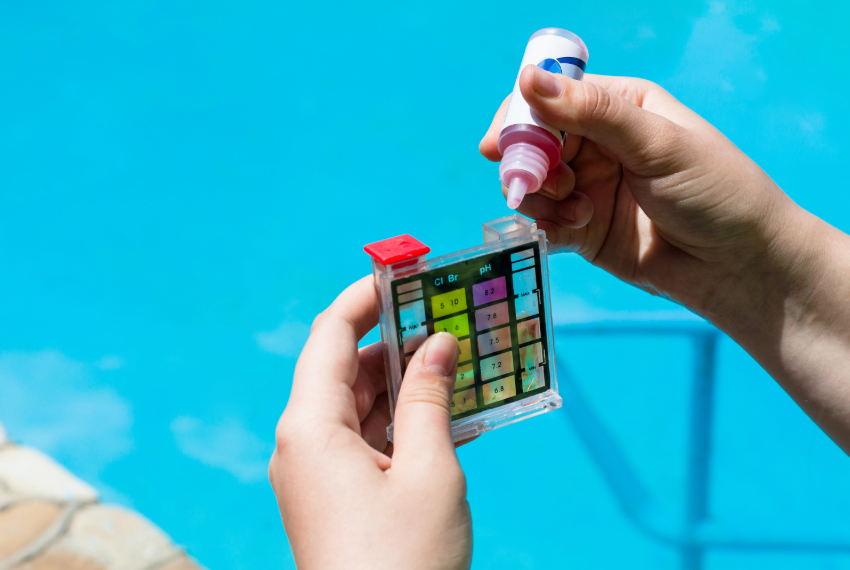
Start by balancing your water, paying close attention to pH levels. Chlorine is most effective when the pH is in the range of 7.1-7.3.
2. Check Equipment
Ensure that your filter and pump are functioning correctly. Turn off the pool heater to lower water temperature. Adjust valves for optimal circulation and run the pump continuously until the pool clears. Utilize pool cleaners to improve circulation and stir up debris.
3. Maintain Cleaning Routine
Brush the walls and floors daily, directing debris towards the main drain. Vacuum the pool as needed. Consider using a flocculent if the pool is exceptionally dirty.
4. Consider Draining
If the pool is filled with debris and visibility is poor, draining the pool (plaster pools only), acid washing, and refilling may be necessary. Alternatively, drain half the water and refill while removing debris.
5. Shock the Pool
For suspended green algae, shock the pool vigorously. Add enough hypochlorite to turn the pool a cloudy, bluish/gray color, typically around 30 ppm of free chlorine. Adjust shock amount based on cyanuric acid levels and algae aggressiveness.
6. Monitor Chlorine Levels
Test chlorine levels the next day. If chlorine remains high, it's a good sign. If it drops to zero within 24 hours, repeat shock treatment with slightly more shock.
7. Apply Algaecide
Once chlorine levels drop below 5 ppm, add algaecide and brush the pool. Vacuum the pool once settled.
8. Maintain Filtration
Continue running the filter 22-24 hours per day until the water clears. Use clarifiers if needed to aid the filter.
9. Test and Re-Balance
Test and re-balance pool water once it clears, ensuring proper chemical levels for continued maintenance.
For black algae, thorough brushing is crucial. It's essential to break through the protective layers so that chemicals can penetrate and destroy the plant from the inside out. Pumice stones are effective for removing black algae heads, but remember to vacuum them up later and backwash them out of the filter immediately. For algae clinging to walls, follow the same procedure: shock with brushing, then apply an algaecide a few days later, brush again, and vacuum to waste if possible, or vacuum and then backwash the filter. Use a steel-bristled brush for plaster pools and a nylon brush for vinyl pools. Filter, filter, filter!
Another effective method for treating black algae nodules is sprinkling crushed pool tablets over the spots, although this can be challenging if they're on the wall. Rubbing the spots with a trichlor tablet or stick can also help remove heads and apply chlorine directly to the plant. Follow up with a dose of copper algaecide or high-strength polymer algaecide. Only use pool chemicals; never use pond chemicals or agricultural herbicides in a swimming pool.
If algae has been a persistent problem for several years, draining the pool may be necessary. Algae buildup over time contributes to ongoing issues. Acid wash or chlorine wash the pool separately to kill algae roots embedded in rough plaster. Test for phosphates in the pool and identify sources of contamination such as fertilizers or soil washed in during heavy rainstorms. Review water balance and sanitation practices to prevent future outbreaks.
Call on The Aqua Guardians For All Your Pool Service Needs!
One critical factor to consider is the size and condition of your pool filter. Many pools have inadequate filter systems that are meant to run 24 hours a day. When these systems become worn out or are run for fewer hours, algae can thrive and take over. Consider changing the filter sand for sand filters or purchasing new replacement filter cartridges for cartridge types. Sand should be replaced every 5 years (or every 2 years if using Baquacil), while cartridge filters should have new elements every few years based on size. For D.E. filters, clean the DE grids by spraying, soaking in a 10:1 water/bleach solution, rinsing, and replacing. A well-functioning filter can effectively prevent algae from returning.
Larger and more efficient pool filters can significantly reduce the opportunity for algae growth by filtering down to a smaller particle size. This removes many of the food sources for algae and can even eliminate algae itself. To prevent pool algae, it's essential to maintain good filtration, sanitation, and circulation. Consider investing in a new pool filter as it's more cost-effective and less troublesome than dealing with algae blooms and their associated expenses.